By Nqobile Dludla
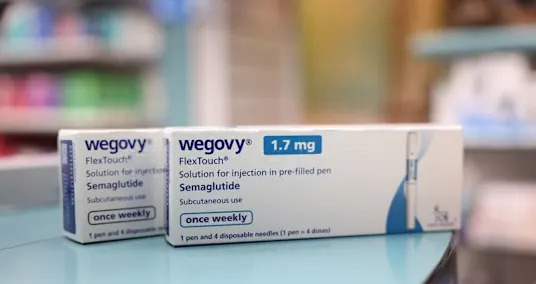
JOHANNESBURG, March 25 (Reuters) - Novo Nordisk is cutting South African prices of its weight-loss drug Wegovy for a second time since it launched in August, local executives said on Wednesday, pointing to fierce competition in a market led by rival Eli Lilly.
The Danish drugmaker launched Wegovy in South Africa in August, when reference pricing was uncertain due to talks with the U.S. administration on its proposed "most-favoured nation" policy linking U.S. drug prices to those in peer countries.
"We were of the view that the prices at the time were not conducive for the South African market," Thabeng Leping, who oversees market access and public affairs for Novo Nordisk South Africa, told Reuters on the sidelines of an event about obesity.
"Because we couldn't delay the launch, we just decided we'll fix it as we go along," he said. "So we reduced our prices in December. We've submitted another reduction of our prices yesterday."
The lowest injected dose of Wegovy has dropped from 3,090 rand ($183) to 1,873 rand, while the highest dose has fallen 27% to 3,746 rand. A further 12% cut to the 1.7 mg dose - the second highest - is awaiting approval, Leping said.
Eli Lilly's rival Mounjaro starts at about 3,600 rand. Its share of the South African market grew to 52% at the end of January, Aspen Pharmacare, the official seller of Mounjaro, said this month, predicting more than 1.3 billion rand ($77 million) in sales in the year through June.
Novo declined to give local sales figures, saying only that its products were doing "extremely well".
Speaking on a panel at the event, Novo South Africa General Manager Sara Norcross said the company intends to introduce its Wegovy pill locally "as soon as possible".
Both Novo and Lilly face competition from unauthorised copycat versions of their drugs, which Norcross said were used by one in two people on weight-loss treatments in South Africa despite adverse outcomes.
Novo has pursued legal action against a local compounder, while the health regulator is moving to classify such products as "undesirable."
($1 = 16.9093 rand)
(Reporting by Nqobile Dludla; editing by Philippa Fletcher)
LATEST POSTS
- 1
 Putting pig organs in people is OK in the US, but growing human organs in pigs is not – why is that?
- 2Remote Work Survival manual: Helping Efficiency at Home
- 3Was it a stone tool or just a rock? An archaeologist explains how scientists can tell the difference
- 4Golden Globes 2026 full nominations list: 'One Battle After Another' and 'The White Lotus' lead in film and television categories
- 5Web designers for Independent ventures


- How did I get my own unique set of fingerprints?
- Ukraine confirms defence and energy ministers at second attempt
- Ageless Tastefulness: An Outline of Valuable Gemstones and Adornments
- Wizz CEO: We’re going to invest $1 b. in Israeli market
- Woman leaves bachelorette trip after trusting her gut about sketchy men partying it up with friends
- Which game do you cherish observing live? Vote!
- What to know about cheese voluntarily recalled in 20 states
- Finding Europe's Head Traveler Objections: An Excursion Through Famous Attractions
- Former United Launch Alliance CEO Tory Bruno joins competitor Blue Origin for national security projects