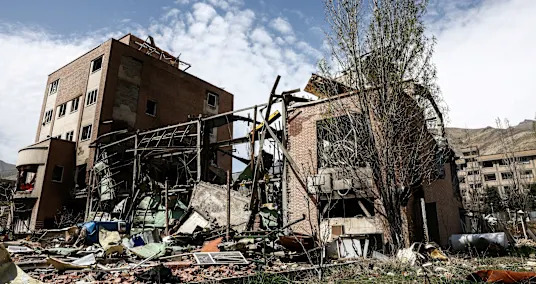
In Tehran, a city of nine million people, schools are closed, businesses are shuttered or struggling, and locals are living without a functioning air-raid warning system or public shelters. In many areas, the first sign of an incoming strike is the explosion itself.
There have been twice as many US and Israeli attacks on Iran compared to the number of Iranian retaliatory strikes since the war began — and the numbers killed in Iran have been orders of magnitude greater than in the neighboring Gulf states. A nationwide internet blackout, now entering its second month, has left civilians unable to access information about safety, shelter, and food and has meant some are unable to work. But while millions have fled Iran’s cities, many more are staying where they are. Some residents are hoping the US and Israeli bombs will cause the regime to collapse; others are left wondering if they are at risk if their neighbors are targeted.
For the many Iranians with ties to Dubai, there are other pressures, with Iranian nationals now barred from entering or transiting through the UAE. Residency permits, even for those with long-term Golden Visas, are reportedly being revoked without notice.

LATEST POSTS
- 1
 Bolsonaro discharged from hospital and placed under house arrest
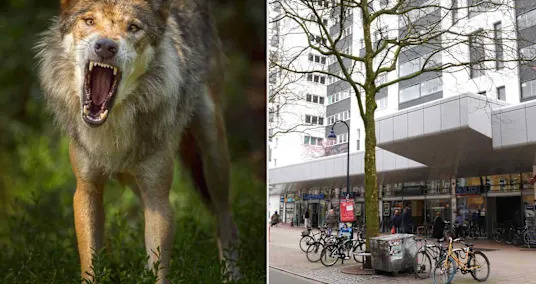
 - 2Wolf Bites Woman in Shocking Attack at Busy Shopping Center
- 3Top German court to rule on claims by Wirecard shareholders
- 4ISS astronaut evacuation shouldn't interfere with upcoming Artemis 2 moon mission, NASA chief says
- 5Quandoo to shut restaurant booking platform by end of 2026



- NASA will bring space station crew home early after medical issue
- The most effective method to Examine a Cellular breakdown in the lungs Finding with Family
- 6 Monetary Arranging Administrations for Your Necessities
- Fire Allegedly Triggered by Wedding Cake Sparkler Causes Venue to Go Up in Flames, Leaving Groom with Second-Degree Burns
- From invasive species tracking to water security – what’s lost with federal funding cuts at US Climate Adaptation Science Centers
- Instructions to Pick the Best Album Rates for Your Investment funds
- Deadly Switzerland ski resort fire was likely started by sparklers attached to champagne bottles, officials say
- Pick Your #1 Japanese Food
- Which restaurants and fast food chains will be open on Christmas Eve and Christmas Day?